Crypto for Beginners: Safe Start Guide and Strategic Insights for 2026
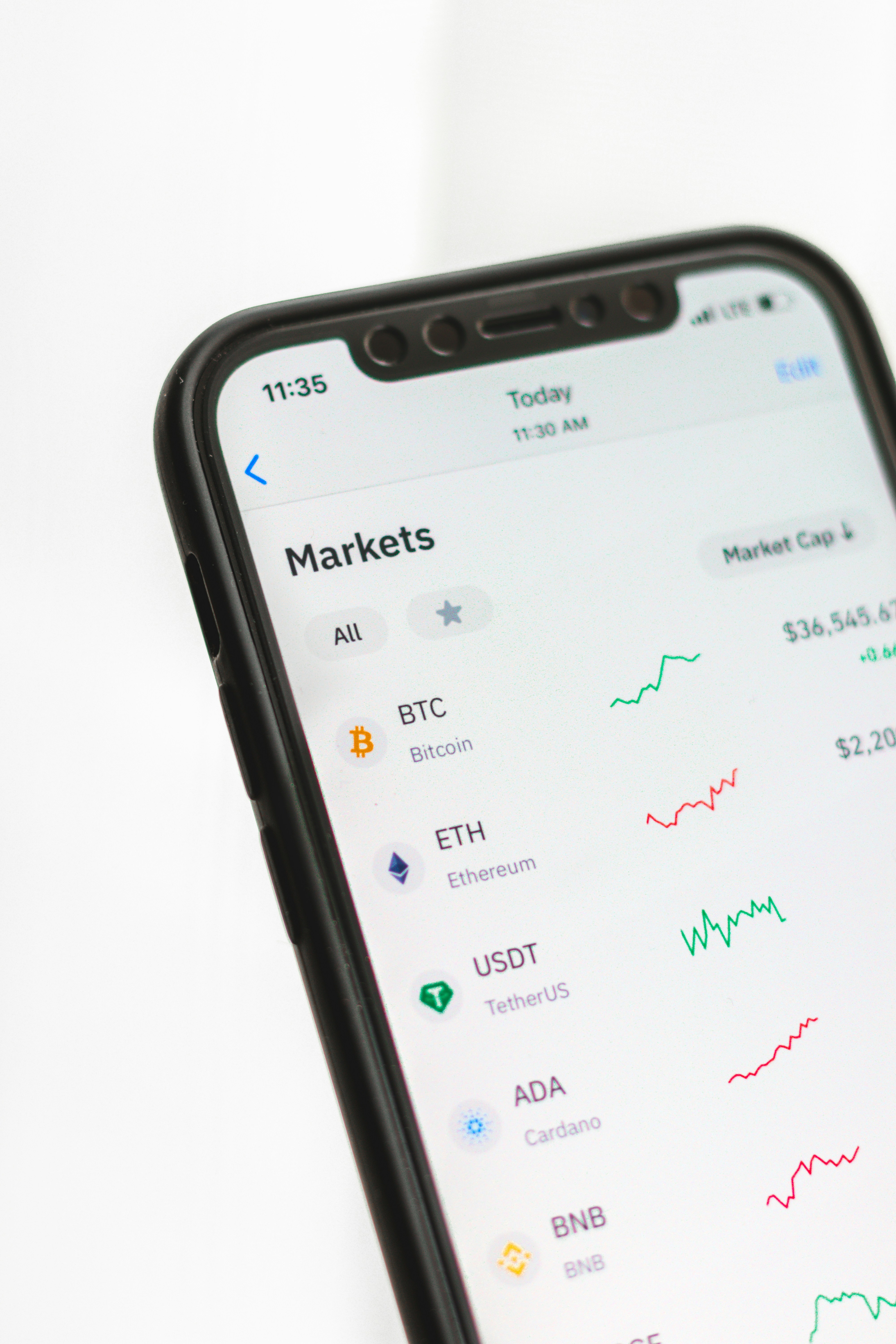
The financial landscape is undergoing a radical transformation. Cryptocurrency has evolved from a niche digital experiment into a global asset class that offers unprecedented opportunities for wealth creation. However, for a beginner, the barrier to entry can seem daunting due to technical jargon and market volatility. This comprehensive guide is designed to help you navigate the crypto space safely and strategically.
Understanding the Core: What is Cryptocurrency?
At its heart, cryptocurrency is a digital or virtual form of currency that uses cryptography for security. Unlike traditional currencies (fiat) issued by central banks, most cryptocurrencies operate on a decentralized network based on blockchain technology. A blockchain is a distributed ledger enforced by a disparate network of computers.
This decentralization means that no single entity—be it a government or a bank—has control over the network. Transactions are peer-to-peer, transparent, and immutable, meaning once a transaction is recorded, it cannot be altered. This transparency is what makes Bitcoin and other assets so revolutionary in the modern era.
Step-by-Step: How to Start Your Journey
Starting in crypto requires a disciplined approach to avoid common pitfalls. Follow these essential steps to ensure a secure entry:
- Select a Regulated Exchange: Your first step is choosing a platform to buy your assets. Look for exchanges with high liquidity, robust security measures, and regulatory compliance in your region (e.g., Coinbase, Binance, or Kraken).
- Implement Cold Storage: While exchanges are convenient, they are not the safest place for long-term storage. Consider a “hardware wallet” (like Ledger or Trezor) to keep your private keys offline.
- Start with a Small Allocation: Never invest money that you cannot afford to lose. Begin with a small percentage of your portfolio to understand market movements before increasing your exposure.

Major Assets: Bitcoin, Ethereum, and Beyond
While there are thousands of “altcoins,” beginners should focus on established projects with proven utility:
- Bitcoin (BTC): Often referred to as “Digital Gold,” Bitcoin is the first cryptocurrency and serves as a store of value. It has a capped supply of 21 million coins, making it an inflationary-resistant asset.
- Ethereum (ETH): More than just a currency, Ethereum is a global computer for decentralized applications (dApps). Its smart contract functionality is the backbone of DeFi (Decentralized Finance).
- Solana (SOL): Known for its incredible speed and low transaction costs, Solana is a top competitor for high-frequency trading and NFT ecosystems.
Professional Investment Strategies
Success in crypto isn’t about “timing the market” but about “time in the market.” For beginners, we recommend the Dollar-Cost Averaging (DCA) strategy. This involves investing a fixed amount of money at regular intervals, regardless of the price. This reduces the impact of volatility and removes the emotional stress of price swings.
The “HODL” philosophy (Holding On for Dear Life) has historically been the most profitable strategy for major assets like Bitcoin. Avoid the temptation of “day trading” or using “leverage,” as these are high-risk activities that often lead to total capital loss for inexperienced users.
Crucial Security Measures
In the decentralized world, you are your own bank. This comes with great responsibility. To protect your digital wealth:
- Use Multi-Factor Authentication (2FA): Always use an app-based authenticator (like Google Authenticator) rather than SMS-based 2FA.
- Beware of Phishing: Never click on links in emails or messages asking for your “seed phrase” or “private keys.” No legitimate company will ever ask for this information.
- Diversify your Platforms: Don’t keep all your assets on a single exchange or in a single wallet.
Frequently Asked Questions (FAQ)
Is crypto legal? In most countries, yes. However, tax obligations vary by jurisdiction. Always consult with a local tax professional.
Can I lose all my money? Yes, cryptocurrency is a high-risk asset class. Diversification and risk management are your best defenses.
How do I withdraw to my bank? Most major exchanges allow “off-ramping,” where you sell your crypto for fiat and transfer it via SEPA or wire transfer to your bank account.
Final Thoughts
Cryptocurrency is a marathon, not a sprint. By focusing on education, practicing top-tier security, and maintaining a long-term perspective, you can harness the power of blockchain technology to enhance your financial portfolio. Stay curious, stay skeptical, and keep learning.
Leave a Reply